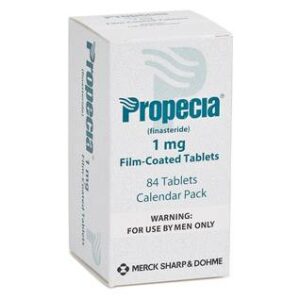
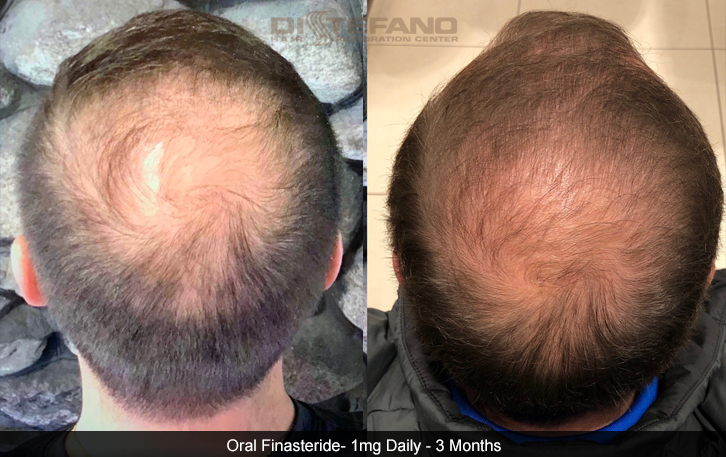
If you are looking for a non-surgical solution to your hair loss problem, you may consider getting an oral medication that is formulated to reduce hair loss while stimulating hair growth. At DiStefano Hair Restoration Center, we carry an oral prescription for hair loss called Propecia (Finasteride).
Finasteride is a tablet that is administered by mouth. It slows hair loss in addition to stimulating hair growth. It works best when it is taken as soon as hair loss is noticed but it is also effective for later stage hair loss. Taking oral hair loss prescription such as Preopecia is a good alternative for those who are not comfortable undertaking surgical hair restoration procedures, such as FUT and FUE hair transplants.
Note, however, that Propecia (Finesteride) is only effective on men. It has not been proven effective on women. If you are looking for an oral hair loss prescription for women, it is best to consult with a professional hair doctor.
How to Get Your Propecia Prescription for Hair Loss?
Propecia consults are complimentary and no fee is charged for the medication if purchased directly from DiStefano Hair Restoration. On the other hand, if you chose to purchase your Propecia elsewhere and request us to call you in the RX at your location, you will incur a $100 fee. Please note we will not write any prescriptions to pharmacies outside of the United States.
99 out of 100 times we have the lowest price on a 90 day supply for generic Propecia and we auto ship to you hassle free every 90 days.
Need Oral Prescription for Hair Loss?
Visit one of the DiStefano Hair Restoration Centers near you: